

 7283838383

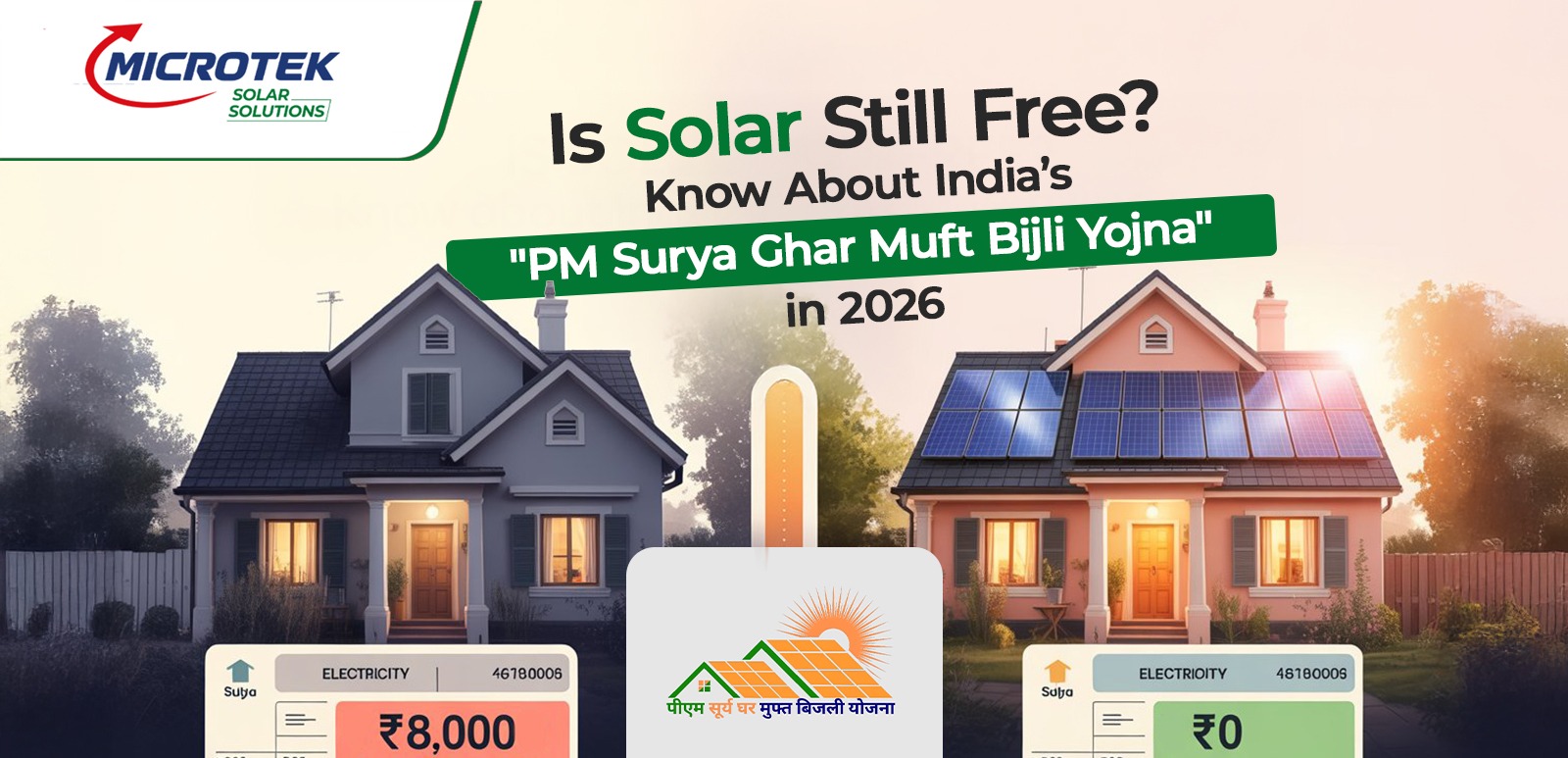
Is Solar Still Free? Know About India’s 'Muft Bijli' Scheme in 2026
Solar power takes the help of daylight to generate electricity. When the panels get properly installed, solar power can cut or eliminate the monthly electricity bill. Solar power is said to be clean and is also ideal for the environment. People in India have been installing solar panels to lower their electricity expenses. However, can solar power truly be free? Is “Muft Bijli” turned into a reality in 2026?
The Indian government has introduced a much bigger programme known as the “PM Surya Ghar: Muft Bijli Yojana.” This specific initiative can help families opt for the solar panel buy online option and get them installed on their rooftops with bigger subsidies, but with low-cost loans. This has enabled individuals to enjoy zero or very low electricity bills once the solar-powered units start to function.
This blog covers insights about how this specific scheme works, what “free electricity” signifies, the advantages, and why solar power has become a good choice these days.
What Is the PM Surya Ghar: Muft Bijli Yojana?
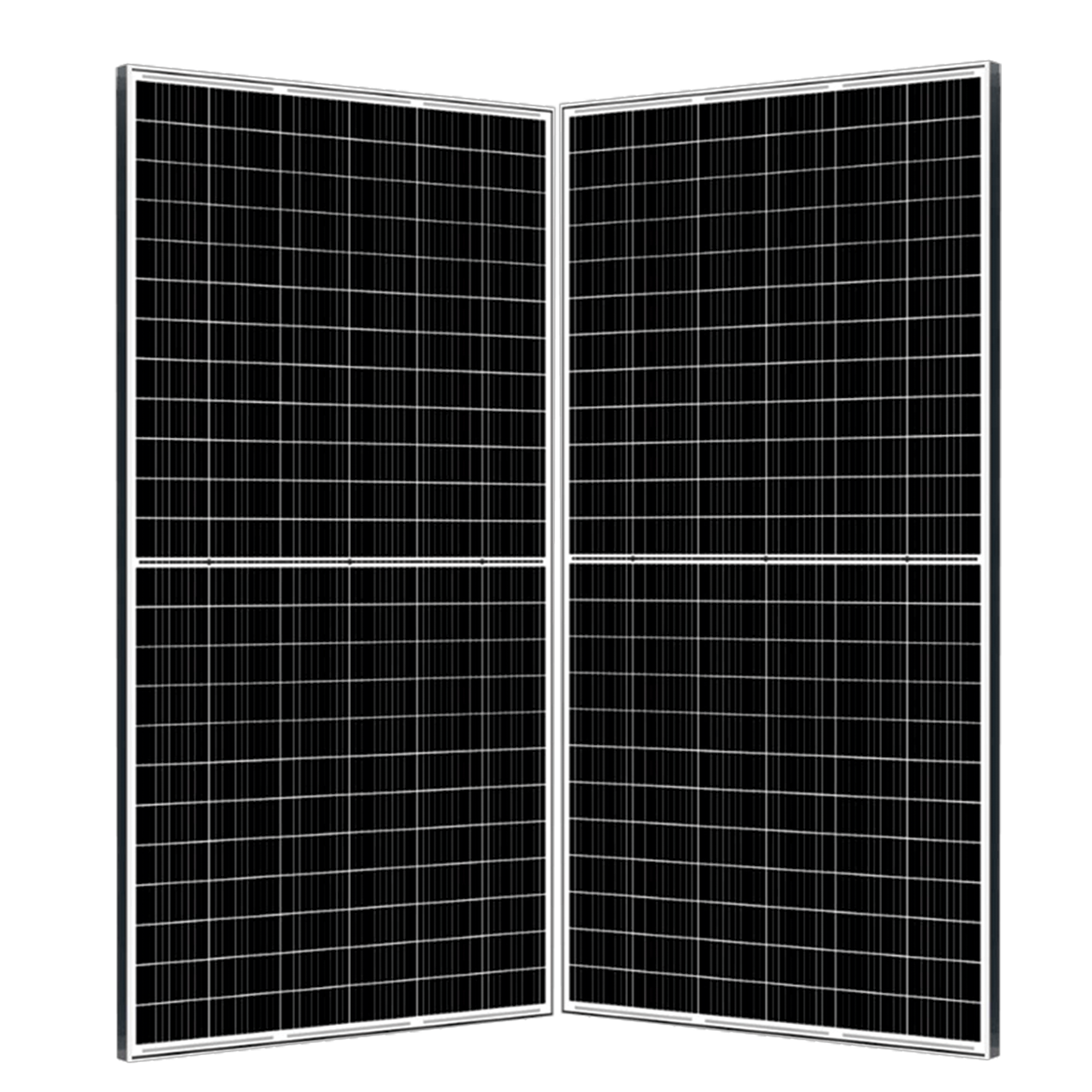
The Indian government launched the PM Surya Ghar: Muft Bijli Yojana way back in 2024. It is one of the world’s largest rooftop solar programmes. The aim is to install solar panels on one crore (10 million) households across the nation. Under this scheme, the following are covered:
Rooftop solar panels are installed on homes.
Households can produce electricity from sunlight.
They can use this solar power at home.
They may also get 300 units of solar power free each month
The scheme provides central financial assistance (subsidy) to reduce the cost of solar installation. Households can also apply for collateral-free, low-interest loans to cover the remaining cost of the solar setup. This means you pay much less upfront. The scheme makes solar far more affordable than before.
Important Clarification: Is There a Fixed ₹78,000 Subsidy?
There is a common misconception among the people that all homes qualify to receive 78,000 subsidies. This is not correct.
The subsidy does not apply equally to everybody. It depends on:
Solar system capacity (size)
Government guidelines during approval.
Additional sub-sector subsidy by your state.
Policy of local electricity distribution companies.
Financial assistance is given by the central government depending on the capacity of the systems. Besides that, there is state subsidy in some states and this may also lower the total expense.
Then rather than having to consider one set number, it is more appropriate to think that the subsidy support is dynamic and may differ in terms of each household.
Is Solar Power Really “Free”?
The phrase “Muft Bijli” literally means free electricity. But in practice, it does not mean you get solar panels for nothing and power forever without any cost. What it really means is:
The government pays a large part of your solar panel cost.
You pay a smaller shared cost or take a low-interest loan.
Once installed, sunlight is free, and panels generate electricity every day.
You can use up to a certain number of units with little or no bill.
Who Can Apply and How It Works?
The scheme is meant for residential households across India. To apply, you must:
Be a resident of India.
Own a place with an appropriate roof for solar panels.
Have a valid electricity connection.
Not having used another solar subsidy before for the same system.
You apply online through the official national portal. The process includes registering your home, choosing a panel capacity, and selecting an approved solar installer. The application is processed digitally, and subsidies are credited directly.
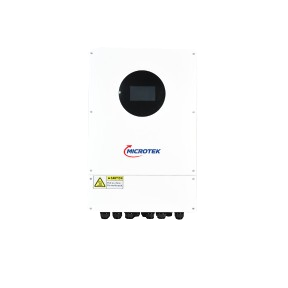
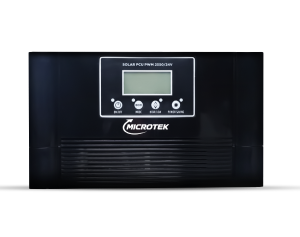
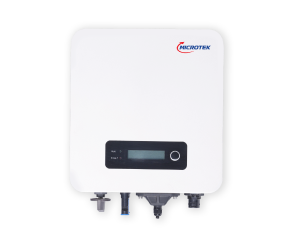
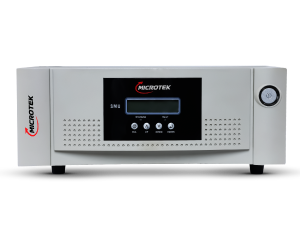
Once approved, panels along with the solar power inverter for home are installed on your roof. After installation, you start generating your own solar electricity and lowering your bill.
Solar power has become a lot more accessible in the nation. The PM Surya Ghar: Muft Bijli Yojana is helping families install the solar-powered panels with easy loans and massive subsidies. This lowers the expenses and makes the best solar solution for home inexpensive for millions. Even though solar electricity is not completely free in the sense of no/zero upfront costs, the daylight that you use each day is free, and the savings on the power bills can be massive. Over time, solar power can make a home less dependent on the costly bills and traditional energy supply.
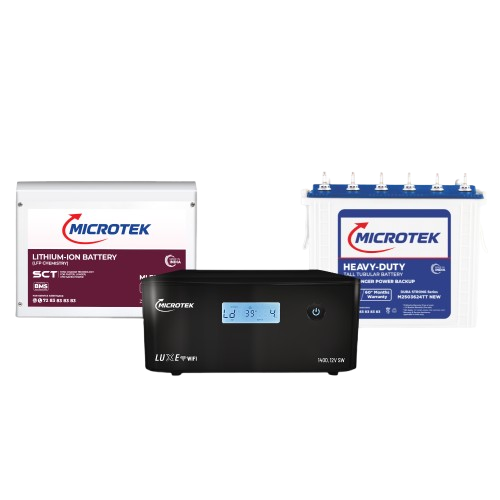
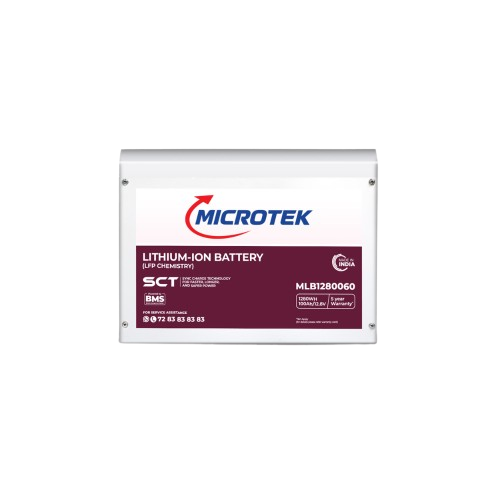
As solar adoption increases, pairing the rooftop system with top-tier products like inverters and solar panels from Microtek can help you make the most out of the pure energy setup. The company provides high-efficiency and reliable solar power solutions, which are created for the Indian conditions. This can help you maximise the advantages of the schemes like the Muft Bijli Yoajana while assuring a lasting performance from day one.
FAQs
Q 1. What is the PM Surya Ghar: Muft Bijli Yojana?
This is a government-based programme that helps in installing solar panels on the rooftops of homes.
Q 2. Do people get electricity completely free?
It provides solar power from the sunlight. This is free, but you have to invest in a system to obtain it to fulfil electricity needs.
Q 3. How many units of solar electricity does a home get?
This specific scheme can help you get approximately 300 units of electricity for free each month from the panels.
Q 4. Is it possible to sell extra solar power?
Yes. Many of the states allow you to sell the surplus power back to the grid through the net metering.
Q 5. How many households are covered so far in 2026?
At the start of 2026, more than 24 to 25 lakh homes had solar installed under the scheme.
- Copy :
 Copy Link